

Iran’s Supreme National Security Council has firmly rejected any possibility of negotiations with the United States, following President Donald Trump’s recent signals that he is open to resuming discussions to end the ongoing Middle East war.
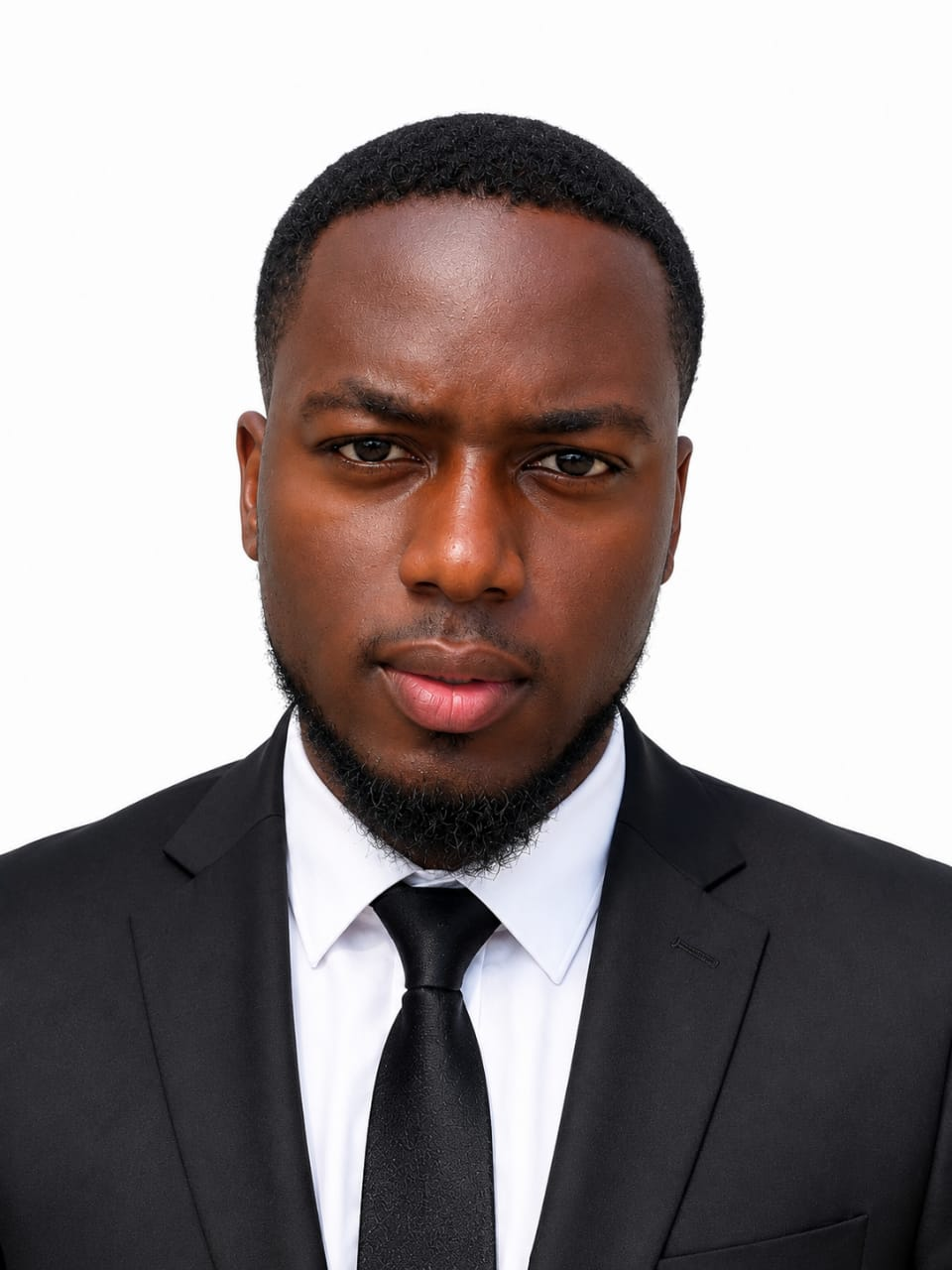
The dismissal came directly from Mohsen Rezaei, secretary of Iran’s Supreme National Security Council, who took to the social media platform X to warn against what he described as American diplomatic inconsistency.
“Don’t get distracted by the U.S. president’s mixed signals from ‘no negotiations’ to ‘we’re ready to talk’,” Rezaei posted. “The stakes around oil and the straits have changed. Damage control won’t stop what’s coming. No talks until Iran’s conditions are met. Period!”
Rezaei’s hardline stance comes just a day after President Trump suggested a potential shift in his administration’s approach. On Monday, Trump posted on his Truth Social network: “The failing Nation of Iran wants to make a deal, quickly and badly. I will determine whether or not the U.S.A. will choose to engage. The concept of which we are open to.” This marked a notable departure from his previous assertions that it was too early to consider a diplomatic settlement.
SEE ALSO: Trump Predicts Iran War Will End After Midterm Election
However, Tehran remains unmoved by the overture. For months, Iranian officials have maintained a strict list of preconditions for any diplomatic breakthrough, including substantial war reparations and the comprehensive lifting of economic sanctions. These demands are directly tied to Iran’s willingness to halt its ongoing blockade of the strategically vital Strait of Hormuz, a global energy chokepoint that has seen oil prices surge amid the conflict.
By drawing a definitive line in the sand, Tehran is signaling that it will not be drawn into negotiations from a position of perceived weakness or ambiguity, refusing to let Washington dictate the terms of engagement.
For now, the diplomatic channel remains firmly closed. As the stakes around global energy security continue to rise, the international community is left to navigate a volatile landscape where the path to peace is blocked by uncompromising demands and deep-seated mutual distrust.

Promise Idoko is Junior Reporter working with moderncrux He covers global politics and international affairs. Based in Nigeria,


